Using Purple Flowers to Soften Divides and Mend Ties
By Jill Brooke
Political violence has escalated in America, with lives lost on both sides of the partisan divide—from conservative activist Charlie Kirk to Minnesota Representative Melissa Hortman—leaving many shaken and desperate for gestures that might restore a sense of shared humanity.
How do we reconnect with family, friends and neighbors we stopped speaking to because of political disagreements or other issues?
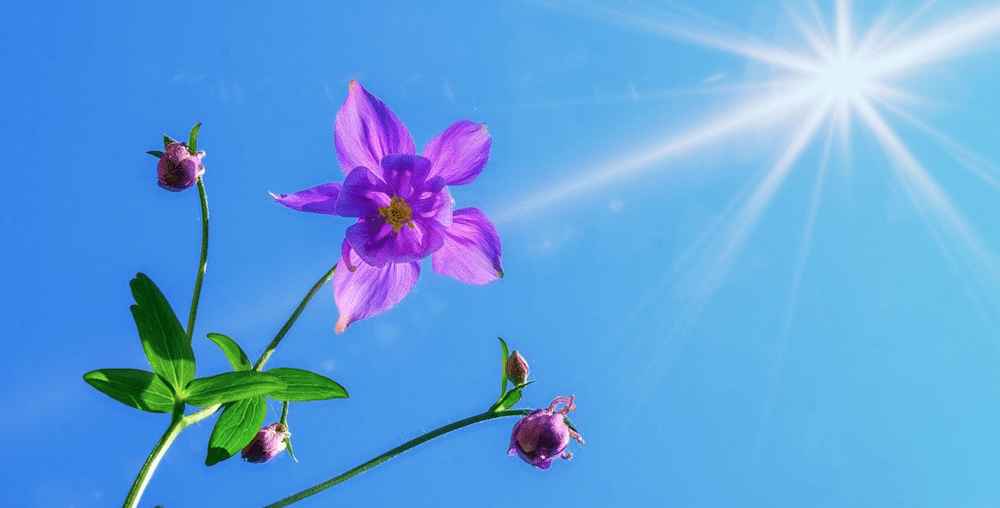
The symbolism of flowers offers a quiet but powerful reminder of what reconciliation could look like. When red and blue come together, they create purple—the very color of unity beyond factions.
Throughout history, flowers have served as peacemakers: exchanged to end feuds, laid at memorials to soften grief, planted in public squares as symbols of renewal. They carry no slogans, only beauty, and invite us to pause, to breathe, to recognize one another not as enemies but as fellow travelers. A bouquet, a blossom, humble or grand, cannot solve policy disputes, but it can open the door to civility—the first step toward healing.
When red and blue blend into purple, they remind us that even in times of division, a middle ground can be found. But this is not just poetic musing—history shows that flowers have tangibly eased tensions and helped redirect the course of nations.
The Tudor rose, born from the union of red Lancaster and white York after the Wars of the Roses, endures as one of history’s most potent floral symbols of reconciliation. What began as a political emblem to heal a fractured kingdom has endured as a timeless motif of harmony.
Even today, the Tudor rose is woven into English life—appearing on coats of arms, government buildings, and in wedding celebrations, where it symbolizes unity, lasting love, and the triumph of peace over conflict. A red and white hybrid rose created to end civil strife centuries ago shows the possibility that when opposites join, beauty and stability can follow.
In Hungary, the Aster Revolution of 1918 briefly toppled monarchy with crowds wearing asters as emblems of democratic hope—showing how a flower could unify people under a vision. Far more enduring was Portugal’s Carnation Revolution of 1974, when red carnations placed in soldiers’ rifles marked the end of decades of dictatorship without a major battle, opening the door to democracy and civil liberties that still flourish today.
And though America’s Flower Power movement in the 1960s didn’t by itself end the Vietnam War, it succeeded in reshaping culture: images of daisies slipped into gun barrels became global icons of nonviolent resistance.
These moments prove that when words fail or tensions harden, flowers can serve as visual olive branches—symbols that disarm, soften, and remind us of our shared longing for peace and civility.
Even Martin Luther King Jr and others wore leis on his civil rights march in Selma, Alabama to illustrate peaceful intentions.
So instead of an olive branch, let’s give a gift of purple flowers as a peace offering. Let’s wave a wand – or stem – and make the purple flower part of this effort we are calling the “Purple Accord.” It’s a peace offering to remind us what roots us together vs. tears us apart.
“Hate, it has caused a lot of problems in the world, but has not solved one yet,” noted poet Maya Angelous who also said, “It’s very hard to hate someone if you look them in the eye and recognize them as a human being.” Flowers have a special ability to thaw emotions and recalibrate anxiety.
Flowers, as Sigmund Freud once said not only “ease suffering” but calm the mind and restore balance and perspective.
So gather a bunch of purple flowers, and start giving a stem to people around you with this message. It will feel good, I promise. Even if it’s one person. That’s a start. It shows you want to be part of the solution instead of the problem.
Purple blooms show that harmony is possible, even without uniformity. It is a gesture not given as a political statement, but as an invitation to civility. Just as blossoms draw strength from common roots, we too share a heritage and a soil larger than any single party or opinion. A simple stem extended in goodwill can remind us that civility and a desire to wind down the violence is possible—one neighbor, one family member, one colleague at a time.
Our lives certainly depend on it.
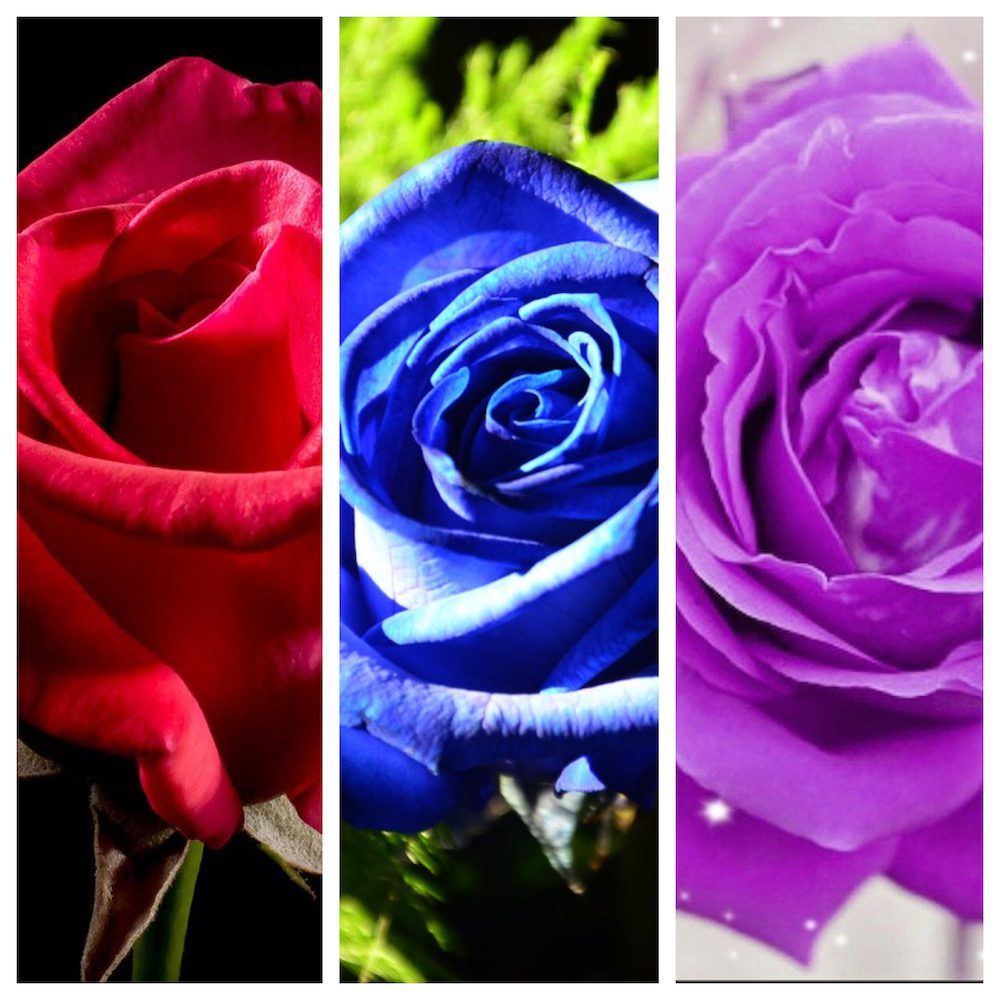
Throughout history, the color purple has had a variety of effects on the mind and body, including uplifting spirits, calming the mind and nerves, enhancing the sacred and creating feelings of togetherness. The color purple also embraces so many different shades and tones. In fact, lavender has the same components as valium in calming tensions scientifically.
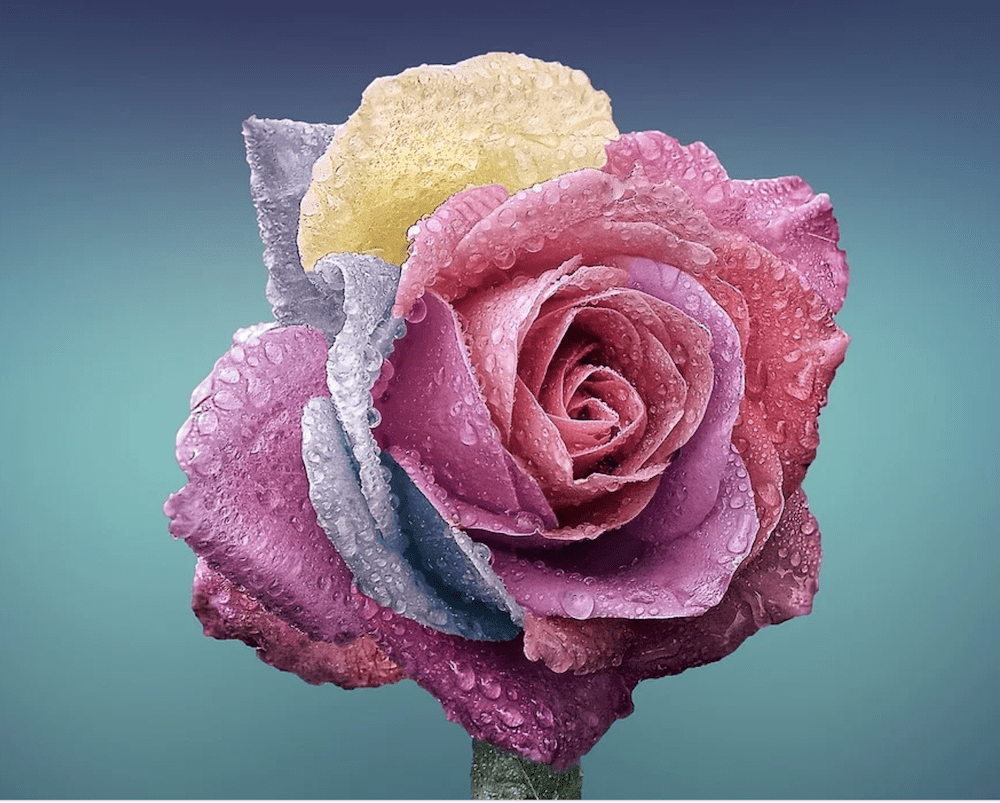
It’s a small gesture, I know. But the goal is to plant a bigger seed and we have to start someplace. We can’t destroy so many of our relationships over politics and other disagreements. Friendships were planted with common interests. We share family roots. Purple is a neutral color. It is a color for peace.
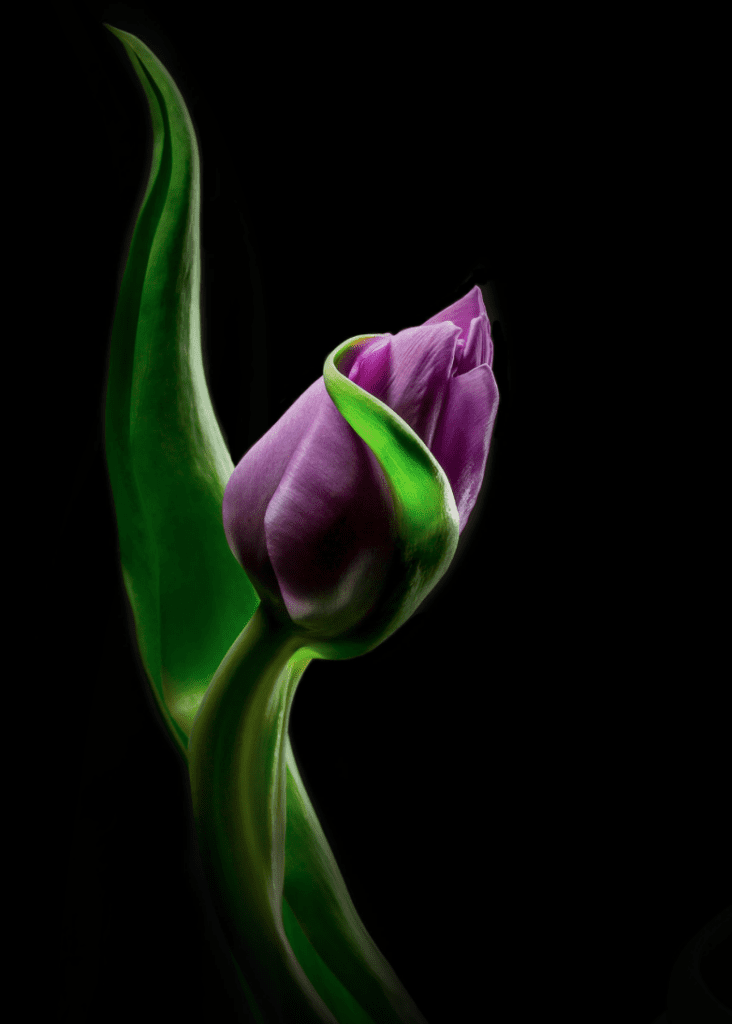
The good news is everyone loves flowers. So whether it’s giving a single tulip or a hyacinth or calling local florists for a purple bouquet of calla lilies or roses– or even if you just email an image of a beautiful purple flower, you are sending a message of hope: Let’s move forward and remember what roots us together.
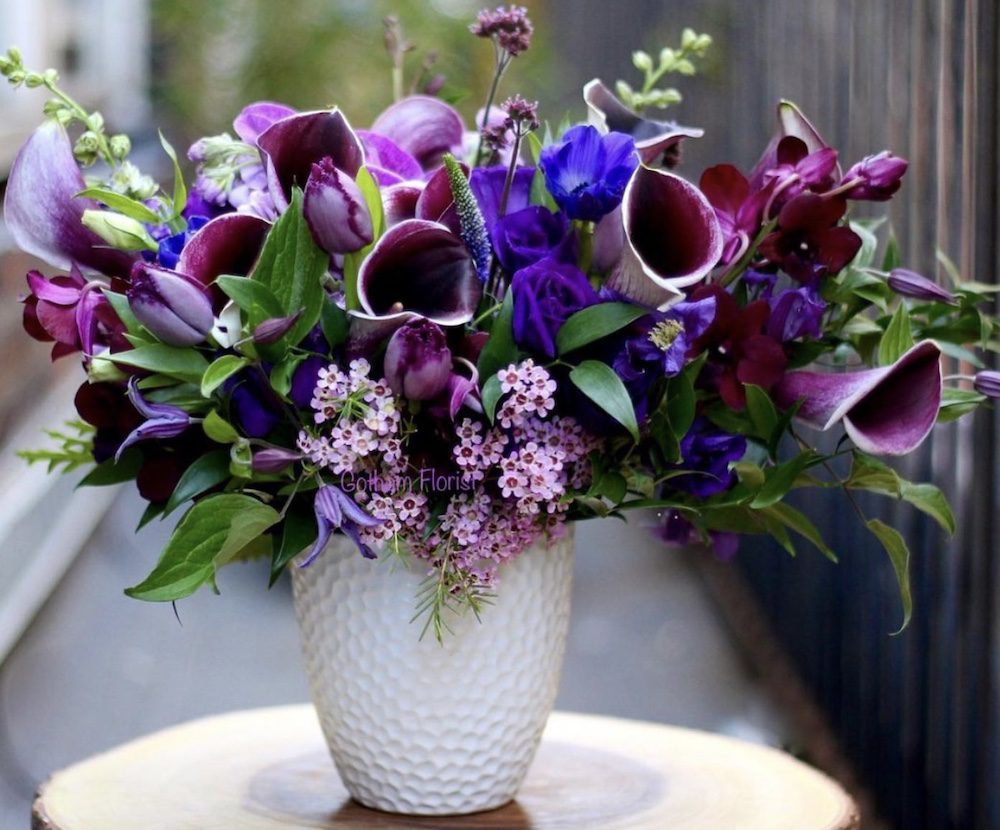
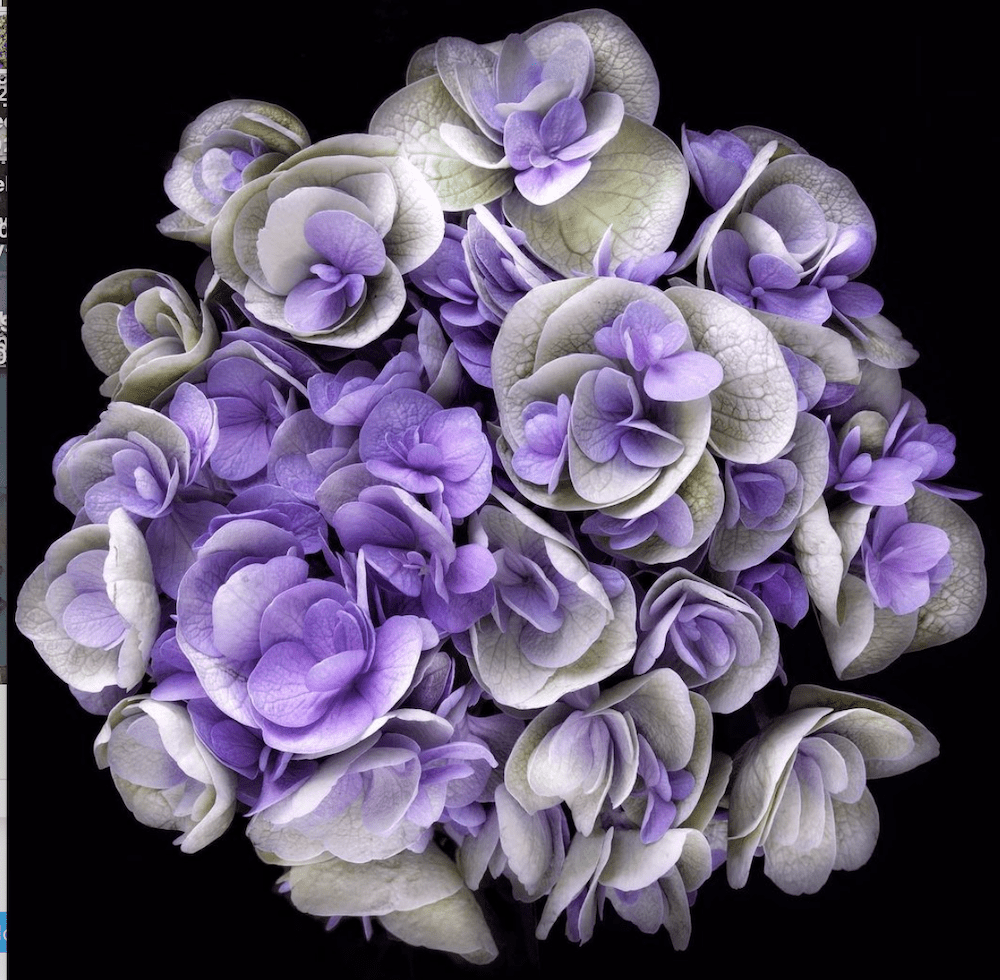
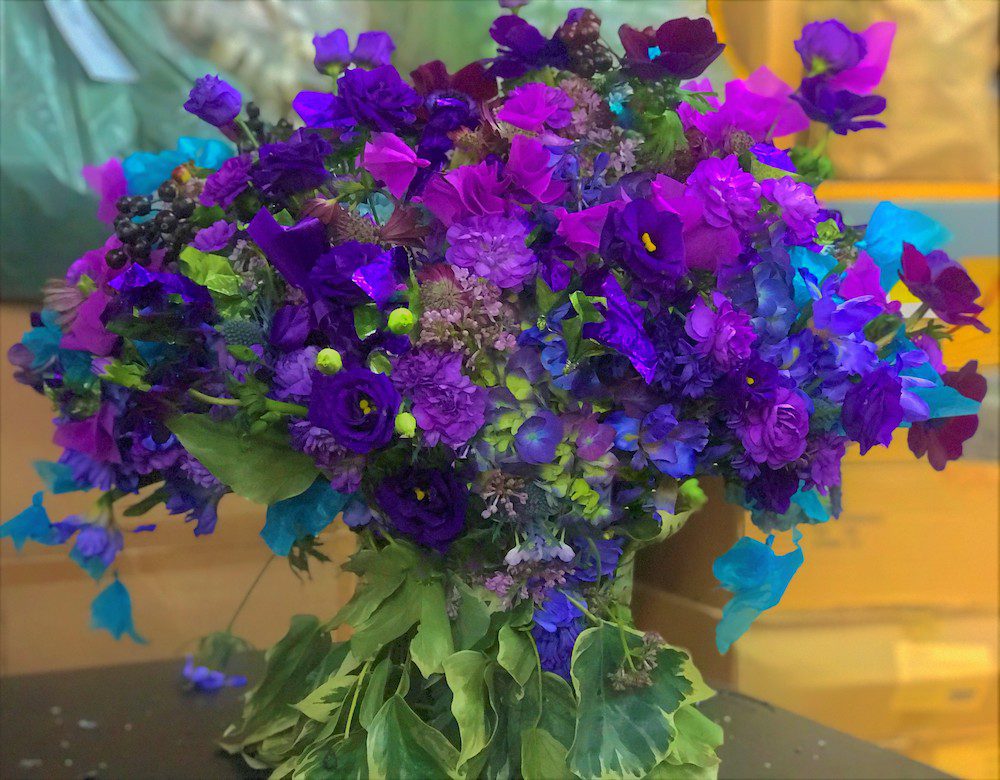
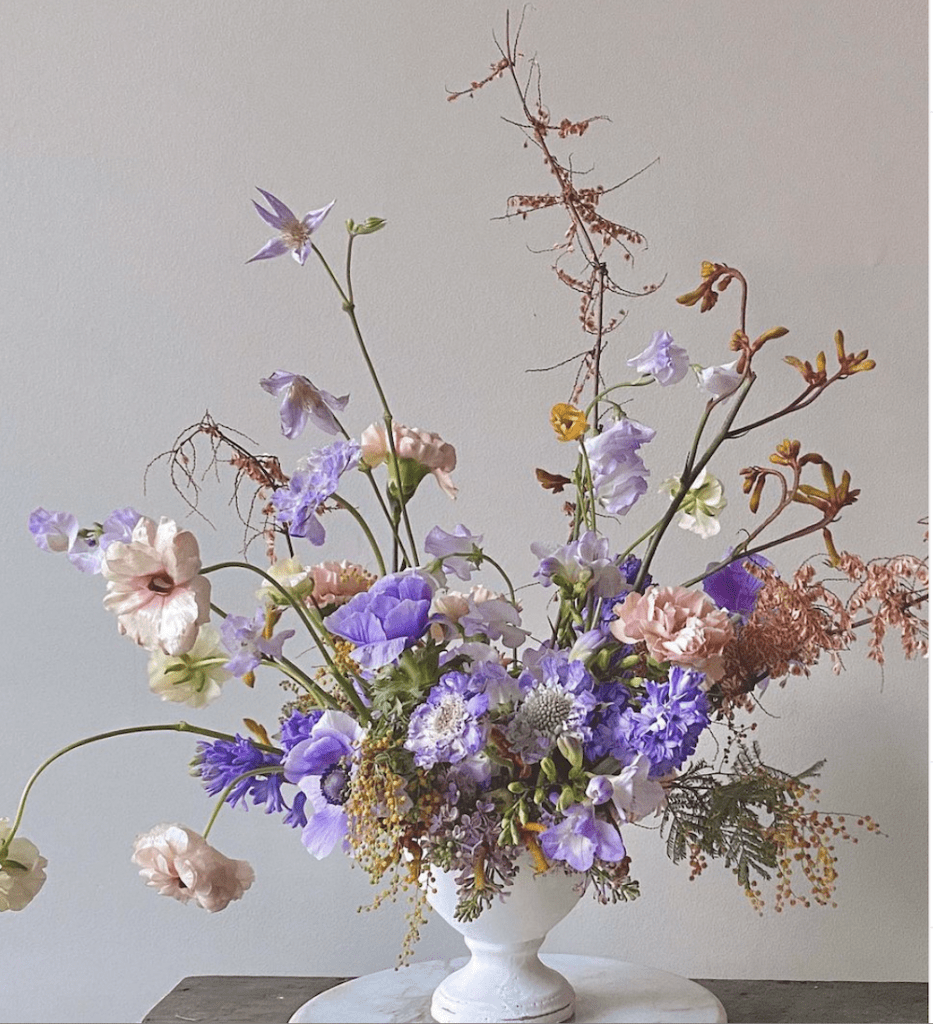
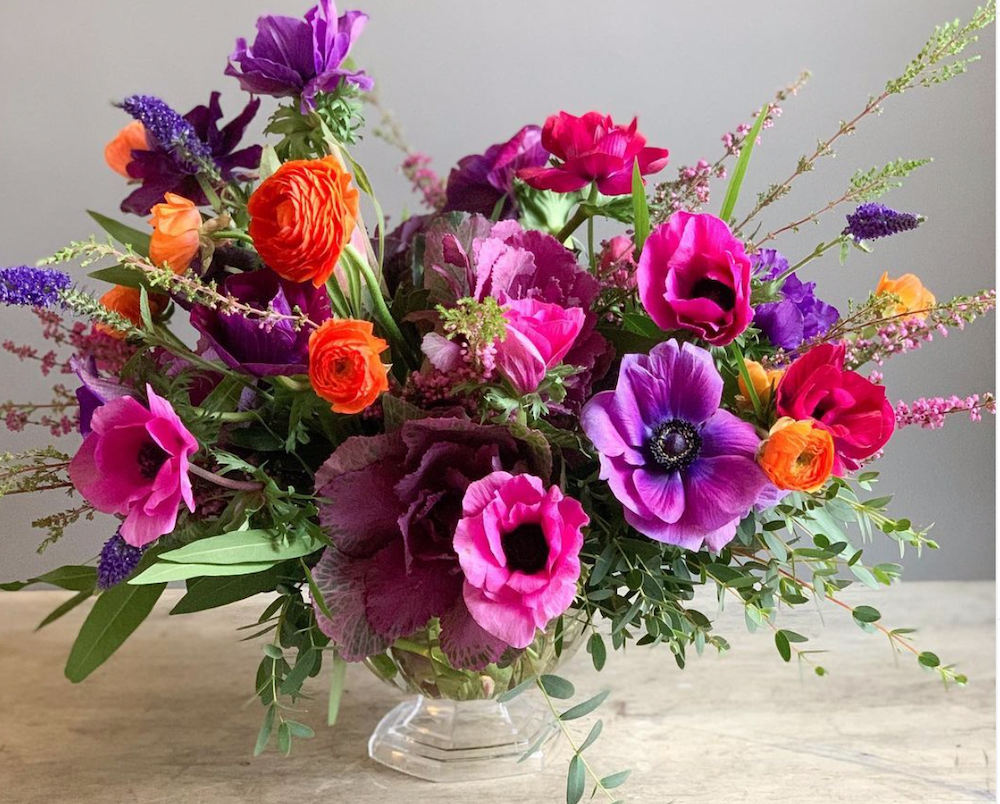
In fact, we are sharing a group of curated photographs to send to friends and family for this effort given to us by award-winning photographers including Jackie Kramer and Deb Shapiro.
After all, for centuries, flowers express emotions and sentiments when words are hard to find.
Flowers silently assure us that beauty and solace exist despite loss or injustice. They are the weapons of choice to disarm violence. They add a peaceful voice to anguish, an acknowledgment of regret; their beauty is a symbol of hope. Flowers are one of the only entities that are used simultaneously to comfort as well as congratulate, to soothe and stimulate, to offer a burst of positivity and joy as well as reverence for the complexities in life.
So think of who you may want to send a purple flower to in your life. And please show us what you sent and tag us on Instagram or Facebook. Tell them you are part of flowerpowerdaily’s campaign for #purplepeacebouquet.” We will gladly post some of the images so send them to [email protected].
As the poet, Kahil Gibran said, “The optimist sees the rose and not its thorns.”
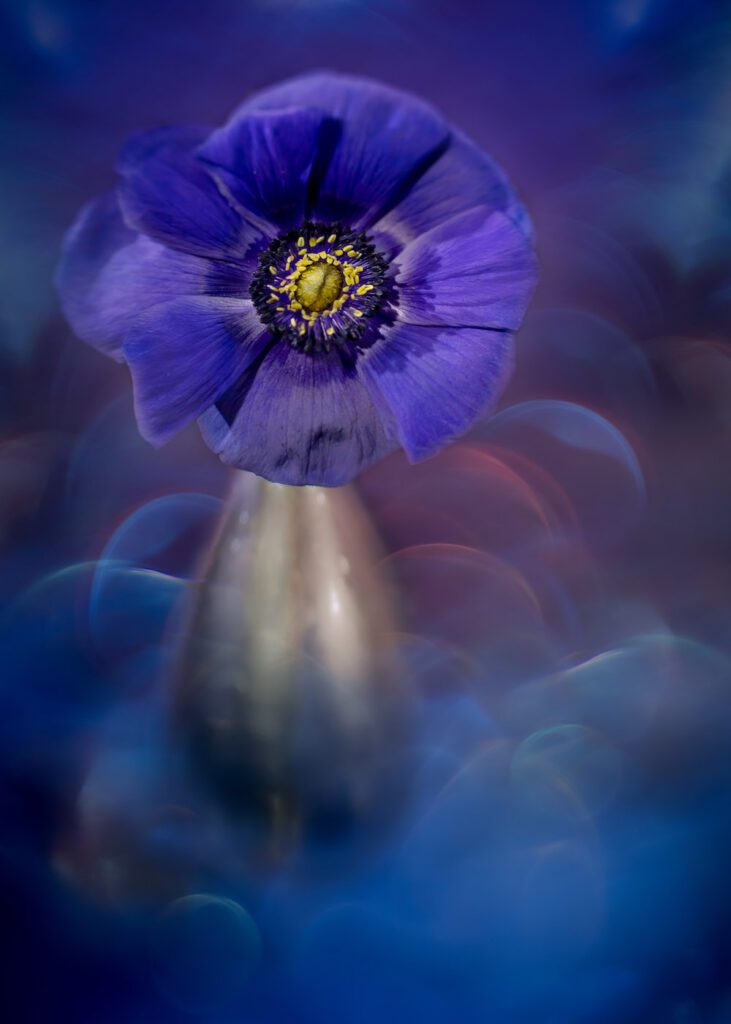
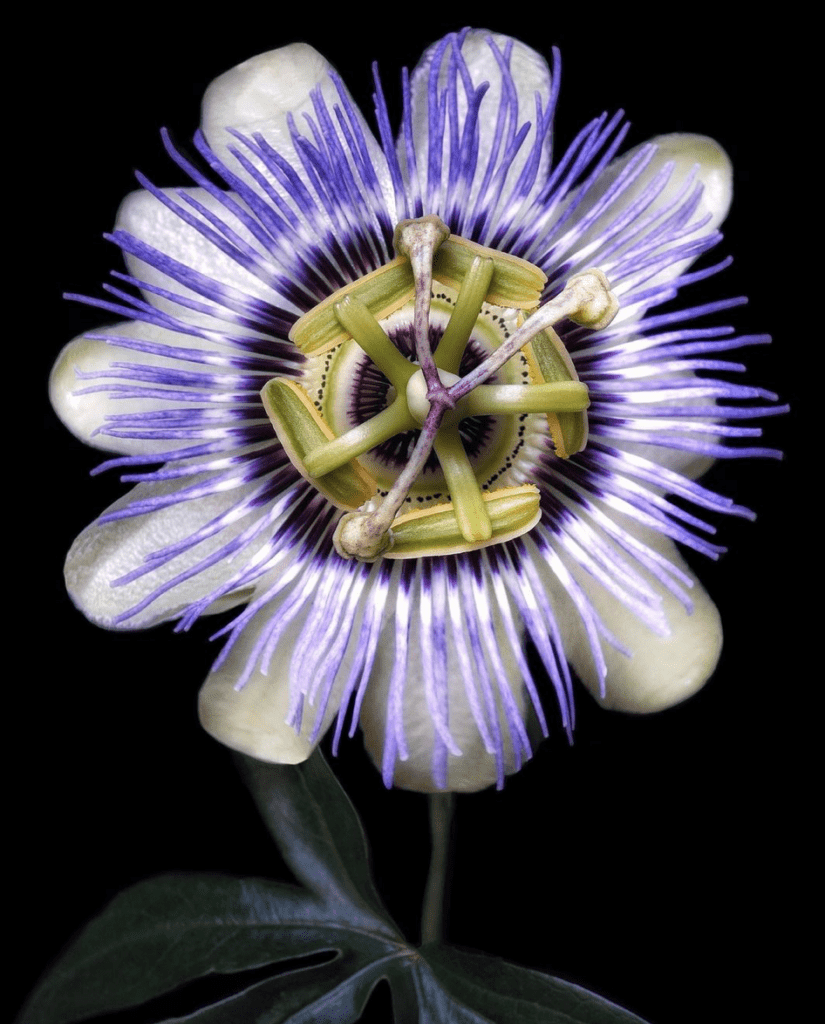
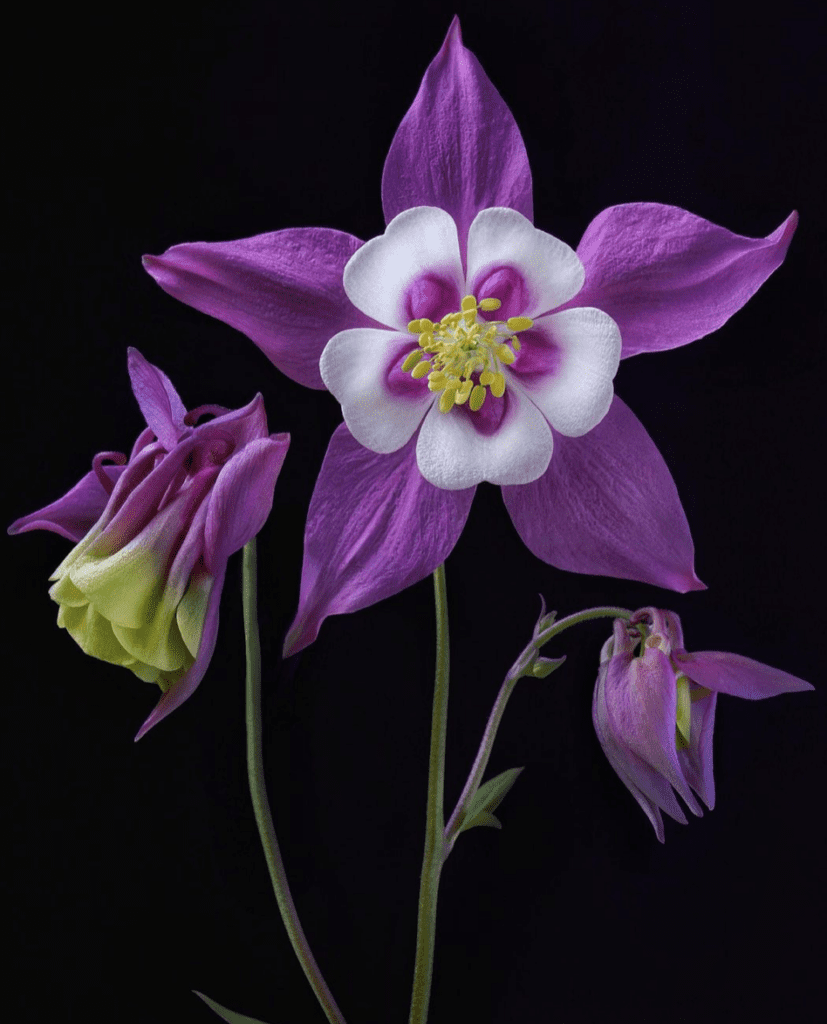
Here are some of the efforts already shared for #purplepeacebouquet.
Jill Brooke is a former CNN correspondent, Post columnist and editor-in-chief of Avenue and Travel Savvy magazine. She is an author and started FPD to bring people joy through flowers.