
Trump’s 25% Tariff Threat Against Colombia Affects Valentine’s Day
By Jill Brooke

Valentine’s Day is going to be a lot thornier and expensive.
On Sunday, President Donald Trump threatened to create retaliatory tariffs on Colombia after its president blocked US military deportation flights from landing.
As news outlets reported, hours after Trump’s announcement, Colombian President Gustavo Petro said he ordered the commerce ministry to raise tariffs on US imports by 25%. “I am informed that you impose a 50% tariff on the fruits of our human labor to enter the United States, and I do the same,” Petro wrote in a long post.
Soon after, Colombian President Gustavo Petro reportedly changed course – billions of dollars in exports will do that – and said the plane could land but wanted the deported to be treated with dignity.

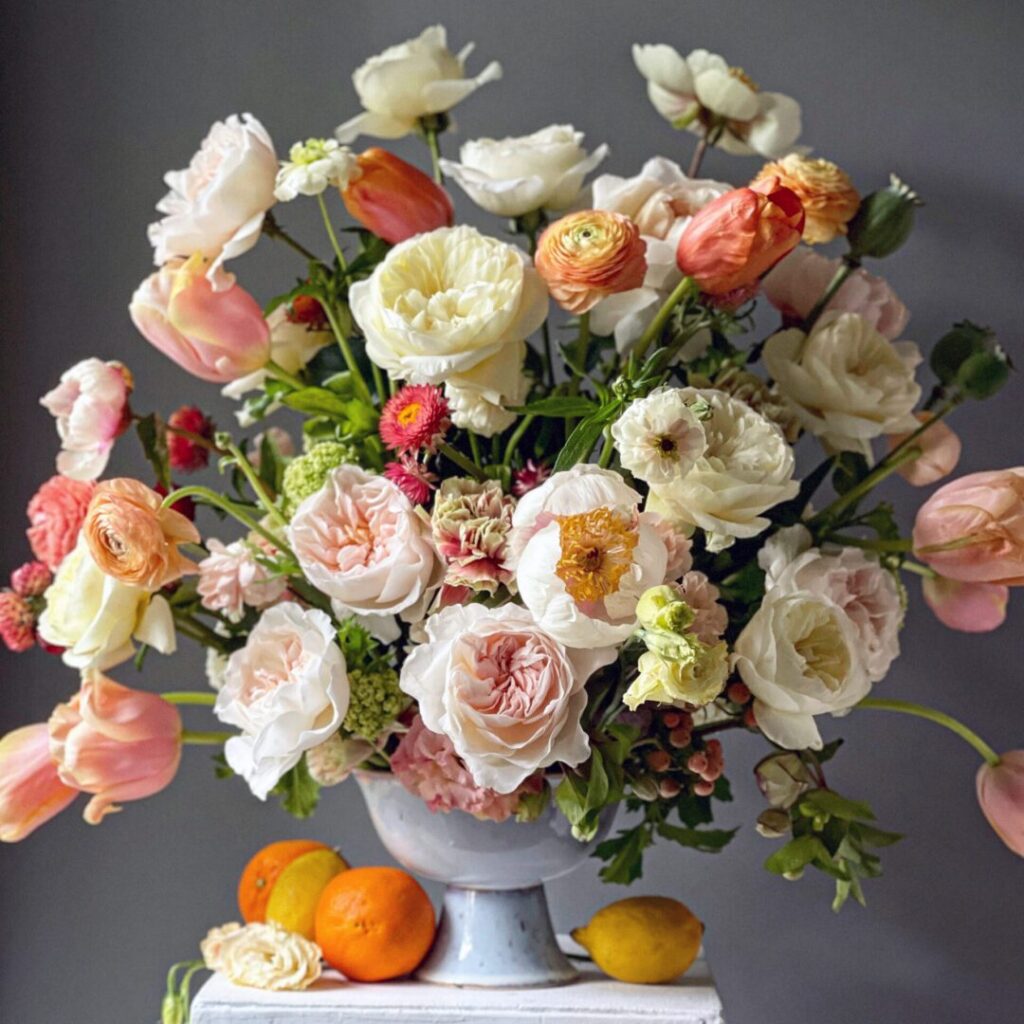
In the flower world, this action caused great alarm since small flower shops need Valentine’s Day sales.
“I’ve been watching posts all day in floral groups panicking about the newly imposed tariff on Colombian imports,” says florist Kelly Shore. “Their panic is deeply warranted. 78% of the flowers bought and sold in the U.S. are imports with Colombia as the largest supplier.” In January 2023, the US imported 177 million stems of roses just from Colombia.
Alexandra Farms, one of the world’s largest grower of fresh-cut garden roses, produces the multi-petaled blooms for famed English breeder David Austin that are coveted across the globe. Colombia is the epicenter for cut roses not only for Valentine’s Day but for the lucrative wedding market.
Furthermore, supermarkets, box stores and flower shops are all actively anticipating those orders of roses for Valentine’s Day that have been put in place months ago. The extra costs would have diminished sales hurting U.S. buyers and those wanting to express love through flowers. In the flower world, outside of Mother’s Day, Valentine’s Day is like the Oscars, when the most flowers are sold. The average price for a dozen roses is $88.61. But for premium roses, it is higher and can cost as much as $7 a stem.
So why aren’t there more U.S. flower farms producing roses? According to American Grown CEO Camron King, there are only 12 major commercial flower farms.
“We buy American grown roses but many of the U.S. rose farms can’t afford any more to grow roses for the Valentine’s Day demand because of the heating costs,” adds Joost Bongaerts, CEO of Florabundance, a California based wholesaler of flowers. “The majority of roses now come from South America.” The weather there, especially in the
Furthermore, if this happened, it’s not as though flower shops can easily scramble to find other sources. To grow magnificent roses takes a year of planning. According to Flower Power Daily research, Americans buy 250 million roses for Valentine’s Day.
Discussions are already taking place how to create more opportunities for U.S. flower growers to take advantage of this problem and rethink growing roses on U.S. soil. For the small mom and pop flower shops that need Valentine’s Day – this is one headache they don’t need since supermarkets are impacting their sales year after year. Approximately 40-45% of people buy flowers at a supermarket, mainly due to convenience and lower prices. Already they have to convince consumers that their roses last longer because a flower shop buys more quality flowers and takes better care of them. Any additional cost makes the consumer choose the supermarket which is already an on-going challenge.
Love this year may come with some pain.
Jill Brooke is a former CNN correspondent, Post columnist and editor-in-chief of Avenue and Travel Savvy magazine. She is an author and the editorial director of FPD and a contributor to Florists Review magazine. She also won the 2023 AIFD (American Institute of Floral Designers.) Merit Award for showing how flowers impact history, news and culture