
Guess the Best Gardening Trends for 2025?
By Jill Brooke

When you are the folks producing the legendary PHS Philadelphia Flower Show for almost 200 years, it pays to listen to their advice.
This week, the Pennsylvania Horticultural Society shared some trends they have noticed for 2025. Of course, I want to share them with you.
“These 2025 gardening trends aggregate a mix of ideas and approaches stemming from our observations attending professional conferences, exhibitions, visiting countless personal and public gardens, and conversations with horticultural professionals,” says PHS’s Vice President of Horticulture, Andrew Bunting.
So here are the trends they are observing.

1.Tropical Foliage –
While many may think drama in the garden comes from bountiful blooms, impactful foliage can be just as stunning. Incorporating plants with great foliage is a simple way to create long-lasting ornament in a home garden, stoop garden, containers, or window boxes. With the introduction of new annual and tropical foliage plants, there are more options than ever to create a great accent in the summer garden, adding unique color and seasonal flair.
Plant Options:
Colocasia, elephant ears – Pharaohs Mask®, Redemption™, Royal Hawaiian® ‘Waikiki’
Coleus – Talavera™ ‘Sienna,’ ChargedUp™ ‘Campfire’
Caladium
Begonias
2. Bringing Nature Home –
Inspired by Doug Tallamy’s influential book of the same name, this trend emphasizes climate-friendly, ecologically diverse, home gardening that anyone can implement. With climate change and its effects becoming increasingly prominent, gardeners around the world are turning to approaches that preserve, protect, and restore local ecosystems through incorporating native and pollinator plant species, and adopting climate-friendly maintenance strategies. While many gardeners see winter as one of the dreariest times of year in the garden, this trend champions the importance of year-round gardening, and positions winter as the ideal time for education and planning to ensure you’re set up for success come spring.
Here are a few trending ways that gardening can promote environmental stewardship:
Movements like “Leave the Leaves” have promoted using leaves as a natural mulch, which also provides habitat for overwintering insects.
Planting native plants like milkweeds, Asclepias; mountain mints, Pycnanthemum, and a host of native asters is a great way to attract native moths, butterflies, wasps and other beneficial insects to your garden.
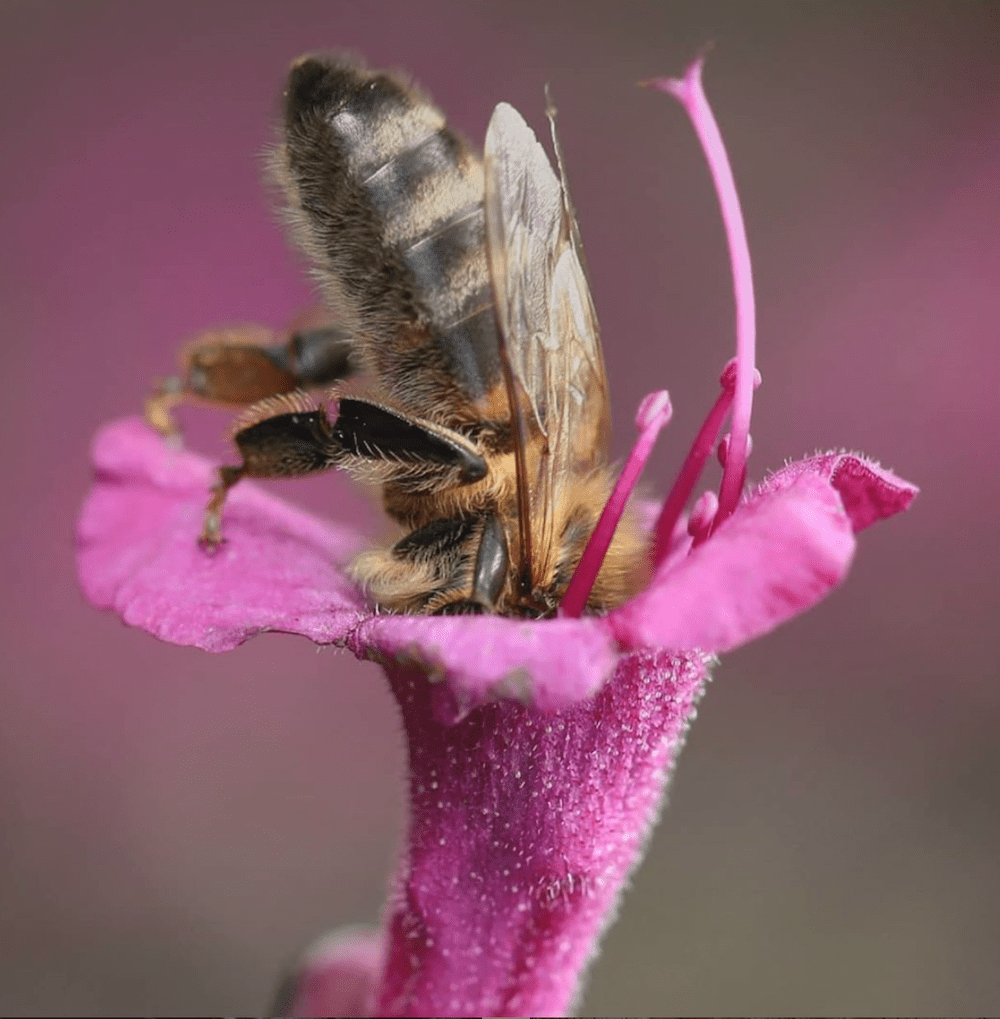
Protecting bees via “bee hotels,” pans of water, the reduction of lawn, and creating other intentional habitat helps provide homes to over 300 species of native bees.
Plant Options:
Begonias
Gesneriads
Ferns
Selaginella, spikemoss
Fittonia, nerveplant
Peperomia
Pilea

3. On the Wall –
Living, “green” walls and vertical gardens are popping up as both outdoor and indoor installations. Green walls are especially popular in office buildings and other public spaces, and many incorporate amazing displays of tropical plants. This trend is a great option for gardeners looking to up the aesthetic impact of an indoor space and add a touch of artistic greenery to a room.
Plant Options:
Outdoor green walls: sedum, Heuchera, hens and chicks, sedges, Liriope
Indoor green walls: Bromeliads, tropical ferns, pothos, kalanchoe, Philodendron, and Monstera

4. Urban Gardening –
Gardening is no longer thought of as a suburban or rural activity. Urban gardening is flourishing as city-dwellers transform small spaces—courtyards, stoops, window boxes, and containers—into vibrant gardens. Community gardens — where people join a shared public gardening space, are also booming, offering access to fresh food, cultural preservation, and shared joy. Meanwhile, efforts to plant fruit trees and expand street tree canopies through community-led stewardship are bringing greenery, resilience, and health benefits to urban neighborhoods across the U.S.
5. Water-wise Gardening –
As droughts and climate change impact more regions, water-wise gardening is gaining traction worldwide, even in parts of the world that are not known for being extremely arid. For home gardeners feeling frustrated with the constant maintenance of watering and keeping their gardens thriving in increasingly dry climates, waterwise gardening offers a solution. From designing full gravel and crevice gardens, to simply incorporating drought-tolerant plants, this sustainable approach reduces maintenance and helps create resilient gardens, even with increasing periods of drought.
Plant Options:
Cacti
Succulents
Ornamental grasses

6. The Houseplant Phenomenon –
Since the COVID-19 pandemic, houseplants have become a global obsession, making gardening accessible for anyone, regardless of space. From homes to offices, houseplants bring beauty and wellness indoors. Dedicated societies like the Gesneriad, Begonia, and Aroid Societies reflect the enduring appeal of this green trend and offer houseplant enthusiasts outlets to engage with other plant lovers to share knowledge.
Plant Options:
Aroids such as Anthurium, Philodendron, Monstera
Sansevieria snake plant
Ficus shivereana
Hoya

7. Backyard Fruit –
Growing fruit is gaining popularity alongside vegetable gardening, appealing to both professionals and hobbyists. Many gardeners are incorporating fruit trees to combine delicious harvests with garden beauty.
Plant Options:
Diospyros kaki, Asian persimmon
Diospyros virginiana, American persimmon
Asimina triloba, ‘paw paw’
Amelanchier canadensis, serviceberry
Pomegranates, which were once thought to be a subtropical or Mediterranean tree, are now hardy and fruit producing in USDA zone 7.
Fruit Snacks™ is a new line of apple tree cultivars from Plants Nouveau which have been selected for their upright and diminutive stature.
Bushel and Berry® is a series of compact berry plants including blueberries, blackberries, raspberries, and strawberries.
All these trends are worth checking out to bring the love of gardening into your world which also produces lasting mental health benefits and joy.
Jill Brooke is a former CNN correspondent, Post columnist and editor-in-chief of Avenue and Travel Savvy magazine. She is an author and the editorial director of FPD and a contributor to Florists Review magazine. She also won the 2023 AIFD (American Institute of Floral Designers.) Merit Award for showing how flowers impact history, news and culture