
Hooray! Monarch Butterflies More Plentiful Thanks to You
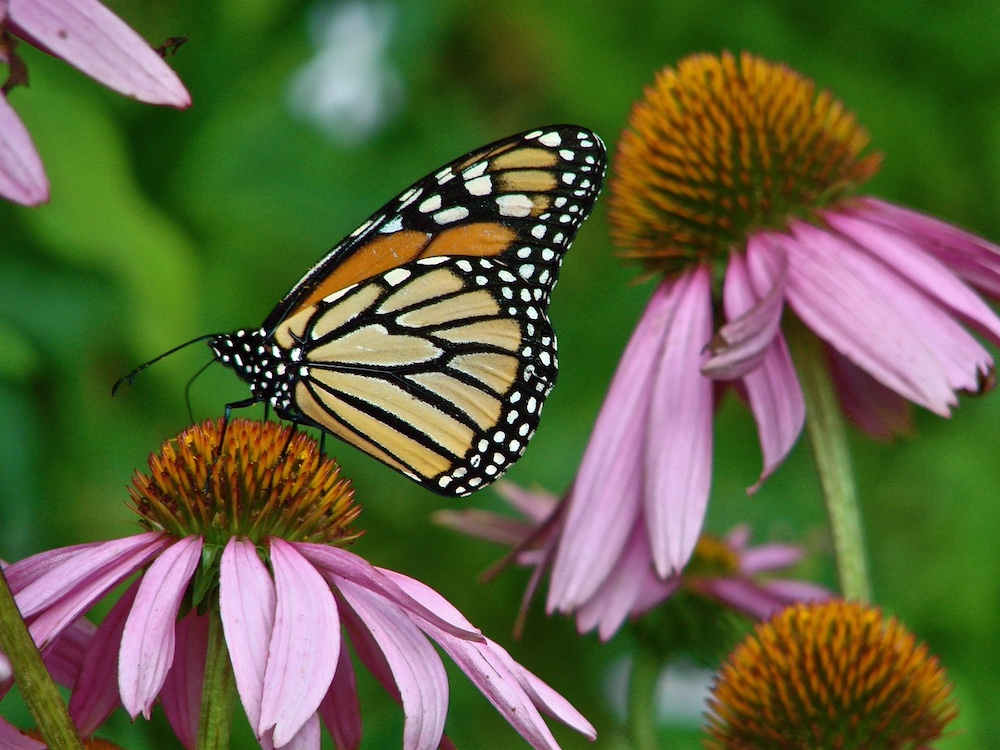
Monarchs Make a Comeback: Proof That Every Flower Counts ????????
There’s hopeful news fluttering on the horizon — and it comes on orange and black wings.
According to new 2025 reports from monarch researchers in Mexico, the eastern monarch butterfly population has nearly doubled. After years of decline, the butterflies covered 1.79 hectares (about 4.4 acres) of forest during their winter migration, up from 0.9 hectares the year before — a heartening 99% increase.
It’s a small but significant sign that all those gardens, roadside wildflower patches, and backyard milkweed sanctuaries are paying off. Across North America, flower lovers have been quietly planting with purpose — from children sowing seeds in schoolyards to retirees turning lawns into pollinator havens.
Favorable weather helped, but scientists also credit the steady rise in native-plant restoration. Every stalk of milkweed offers monarch caterpillars a nursery; every cluster of Joe Pye weed, coneflower, or goldenrod offers traveling adults a refueling station on their epic 3,000-mile migration.
Of course, the monarchs aren’t out of the woods yet. Their numbers remain far below the 15–20 hectares recorded in the 1990s, and climate shifts continue to threaten breeding and wintering grounds. But this rebound shows that collective action works. When people plant flowers, butterflies respond.
So to all our readers who’ve listened, learned, and lovingly planted — this victory belongs to you. Your gardens are part of a continental chorus of color and care, proving that beauty can be both joyful and consequential.
???? As a reminder, here are some of the flowers monarch butterflies love most:
-
Milkweed (Asclepias spp.) – The essential host plant for monarch caterpillars.
-
Joe Pye Weed (Eutrochium purpureum) – Tall, fragrant, and irresistible to migrating butterflies.
-
Coneflowers (Echinacea spp.) – Bright landing pads packed with nectar.
-
Blazing Star (Liatris spp.) – Spiky purple blooms that signal “fuel stop ahead.”
-
Black-eyed Susans (Rudbeckia hirta) – Reliable, sunny, and easy to grow.
-
Goldenrod (Solidago spp.) – Late-season blooms that sustain monarchs before migration.
-
Zinnias and Cosmos – Annual favorites that fill gaps in nectar availability.
Each flower you plant is more than decoration — it’s a lifeline.
Monarch butterflies aren’t just beautiful—they’re essential. As pollinators, they help fertilize wildflowers and native plants that sustain countless ecosystems. But they’re also one of nature’s most astonishing travelers. Each year, monarchs embark on a 3,000-mile migration—one of the longest and most complex journeys in the insect world. Starting in the northern United States and Canada, they fly south in autumn to the oyamel fir forests of central Mexico, where they cluster by the millions to overwinter. Come spring, new generations begin the return journey north, continuing the cycle their ancestors began. Their migration is a living symbol of endurance, navigation, and the invisible threads that connect habitats across a continent.
So keep scattering seeds, swapping plants with friends, and letting a bit of wildness bloom in your corner of the world. The monarchs noticed. And they’re coming back.